



Description
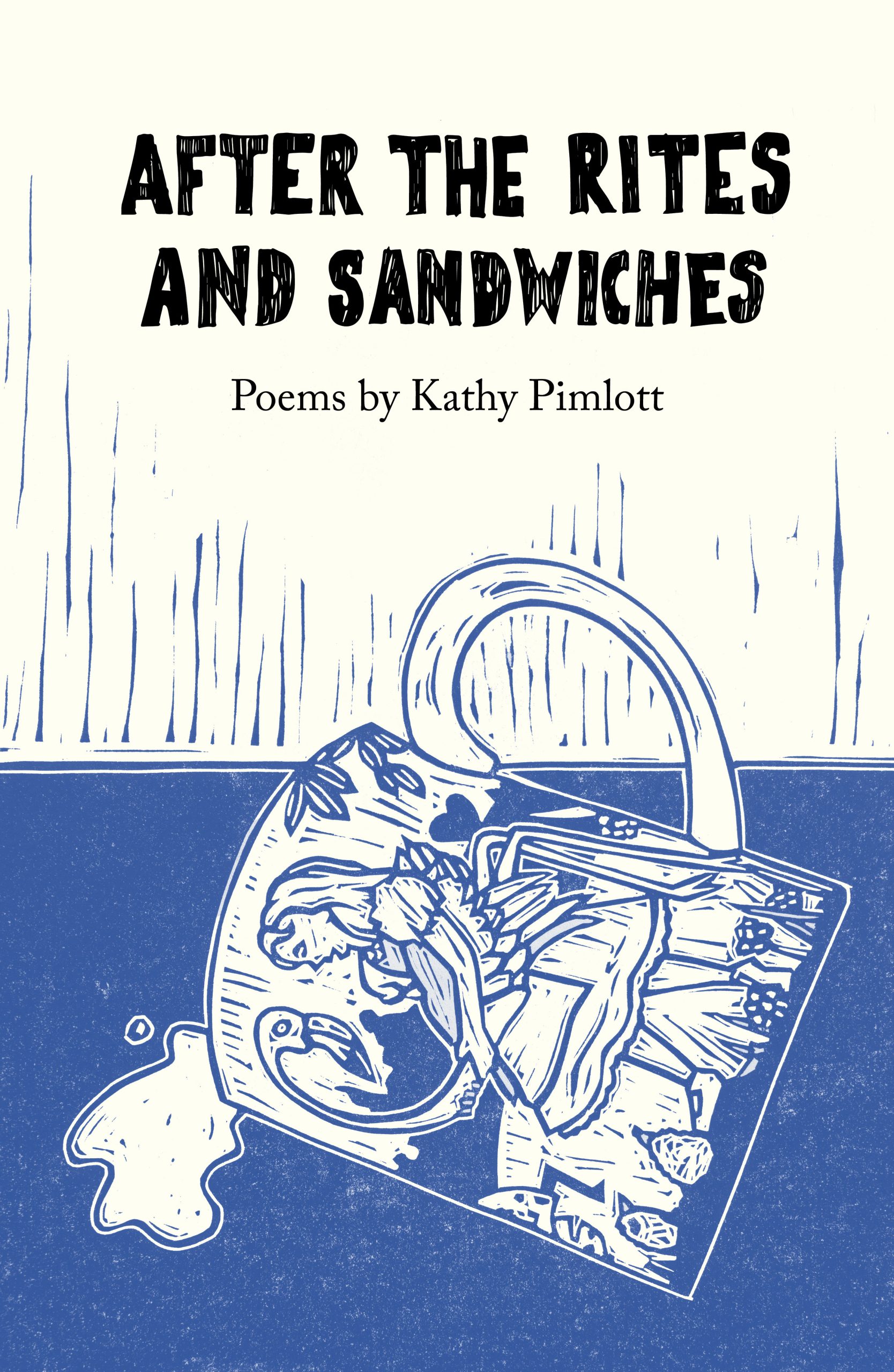
Centred on a sudden accidental death – its shocking actuality, the aftermath, the admin – Kathy Pimlott’s third pamphlet is an honest, lyrical and nuanced journey through the complexity of bereavement.
As the world around her continues on – moths remain attracted to lights, Christmas comes and goes – Pimlott lives with the irreplaceable absence that follows the loss of a partner. Amid the pain and emotion is a streak of wry humour at the mundanity of settling affairs and a powerfully personal trajectory of moving through grief rather than moving on.
Across poems that take stock of the things people leave behind and the sometimes-painful memories of a long and textured marriage, After the Rites and Sandwiches tracks the rollercoaster of grief, guilt and regret without losing sight of the enduring salve of love.
Praise for After the Rites and Sandwiches
“These poems are good travellers, too, though delicate and unusually haunting… This is a good poet, with a clear and distinctive voice… a fine wordsmith… she reaches places other poets do not go”
~ Helena Nelson, The Friday Poem
“I think the immediacy of poetry lends itself well to exploring what it feels like to be left behind after a death and this pamphlet is an excellent example of this. Not a very festive recommendation, but hopefully helpful to whoever needs it.”
~ Burley Fisher, Books of the Year 2024
“[Pimlott’s] bravery in collating this pamphlet is astonishing and makes it compulsive reading […] Pimlott’s work is ever brilliant, ever shocking, ever honest.”
~ Nicki Heinen, London Grip
“Poetry readers and writers will find much to inspire them in Kathy Pimlott’s evocation of the internal and external landscapes of loss, through her craft. For anyone bereaved, this is an accessible, companionable collection which I hope will find its way to that wider audience”
~ Jenny Hockey, Orbis (212)
“A compelling pamphlet, full of tenderness, regret, bewilderment and loss. Writing about the aftermath of a partner’s unexpected death, each poem is a piece of a shattered world; Pimlott’s effort to reconcile the once-known to the now-strange. And so Pimlott’s language here is that of solace, not challenge: refamiliarisation not defamiliarisation.”
~ Magma (92)


